

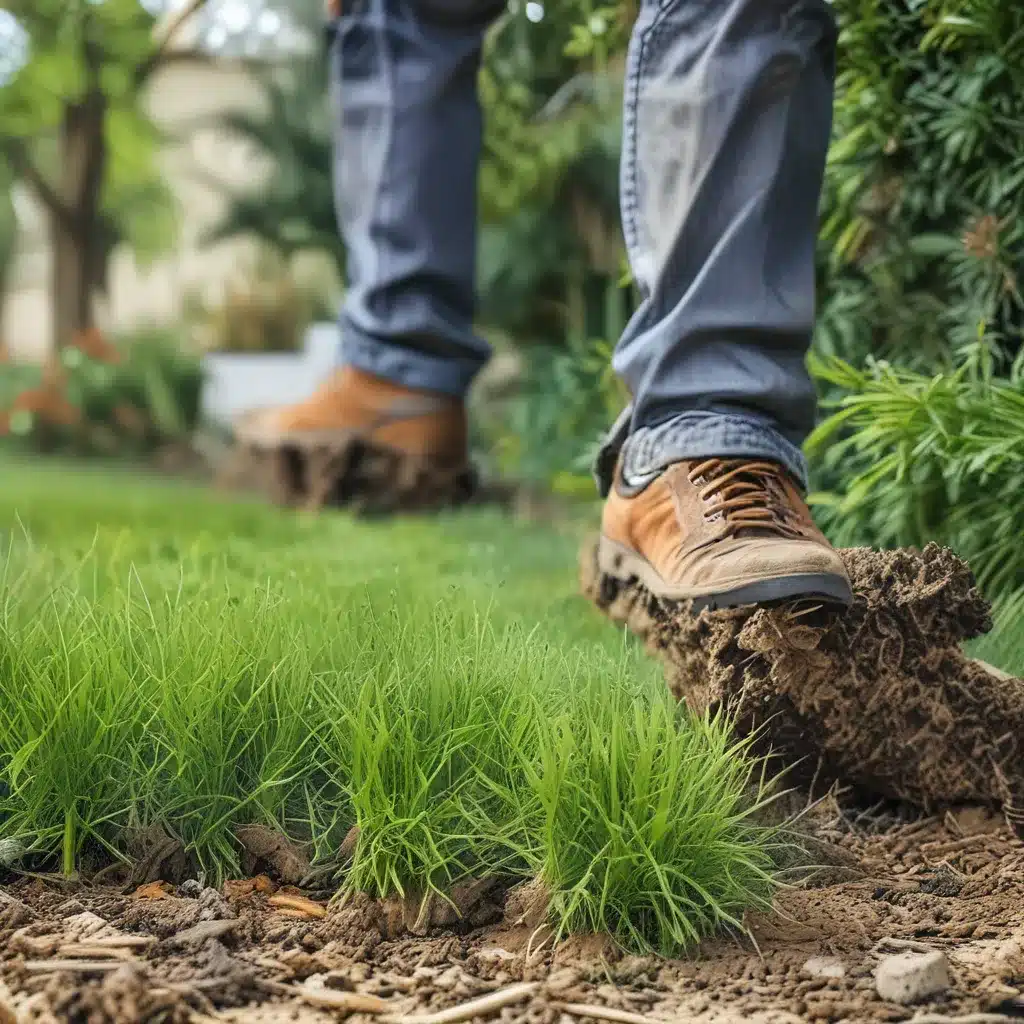
Bringing Lawn Back to Life
You know the feeling – you look out at your once lush, verdant lawn and wince at the sorry sight before you. Patches of brown, yellow, and even bare earth have taken over, leaving you with an unsightly landscape that’s a far cry from the manicured dream you had in mind. If this sounds all too familiar, fear not! As a landscape design and construction expert based in Temecula, California, I’m here to guide you through the process of lawn renovation and help you breathe new life into your outdoor space.
Lawn renovation might seem like a daunting task, but with the right approach, you can transform that patchy, unhealthy mess into a vibrant, thriving lawn that will be the envy of the neighborhood. In this comprehensive guide, I’ll share my top tips and tricks, drawing from my years of experience in the industry as well as insights from leading experts in the field.
Identifying the Issues
Before you can start revamping your lawn, it’s crucial to understand what’s causing the problem in the first place. As Colorado State University Extension explains, there are several common reasons why a lawn might be in poor condition, including:
- Compacted soil
- Excessive thatch buildup
- Improper mowing or watering practices
- Disease or pest infestations
- Nutrient deficiencies
By taking the time to diagnose the underlying issues, you’ll be able to develop a tailored plan of attack that addresses the root causes and sets your lawn up for long-term success.
One of the first steps in the lawn renovation process is to conduct a thorough inspection of your outdoor space. Take a walk around the area and make note of any problem spots, such as bare patches, weed-infested zones, or areas where the grass appears discolored or unhealthy. This will help you identify the specific challenges you’re facing and guide your next steps.
Prepping the Soil
With a clear understanding of the issues at hand, it’s time to start preparing the soil for a fresh start. As this informative video from the experts at A1 Landscape Construction demonstrates, one of the most important steps in lawn renovation is addressing soil compaction.
Compacted soil can prevent grass roots from accessing the air, water, and nutrients they need to thrive, leading to all sorts of problems. To remedy this, I recommend using a core aerator to punch small holes throughout the lawn, allowing air and water to penetrate the soil more easily. This simple step can make a world of difference in the health and vigor of your grass.
Another key consideration is the soil’s pH level. Grass has a specific range of acidity it prefers, and if the soil is too acidic or too alkaline, it can struggle to absorb the nutrients it needs. By testing the pH and adjusting it accordingly with lime or sulfur, you’ll be setting the stage for a lush, healthy lawn.
Overseeding or Resodding?
Once the soil is primed and ready, it’s time to decide whether to overseed or resod your lawn. Both approaches have their pros and cons, and the best option will depend on the specific needs of your outdoor space.
Overseeding involves spreading grass seed over your existing lawn, filling in bare patches and thickening the turf. This is often a more cost-effective solution, and it can be a great way to introduce new, hardier grass varieties into your landscape. However, it does require a bit more patience, as it can take several weeks for the new grass to become established.
Resodding, on the other hand, involves completely removing the old lawn and replacing it with fresh, pre-grown sod. This is a quicker solution that can provide near-instant gratification, but it can also be more expensive. If you have significant bare spots or areas of severely damaged grass, resodding might be the better choice.
No matter which route you decide to take, it’s crucial to follow the recommended seeding or sodding rates to ensure the best possible results. Colorado State University Extension suggests the following guidelines:
| Grass Type | Seeding Rate (lbs/1000 sq ft) | Sodding Rate (sq ft/pallet) |
|---|---|---|
| Kentucky Bluegrass | 2-3 | 450-500 |
| Tall Fescue | 6-8 | 450-500 |
| Perennial Ryegrass | 6-8 | 450-500 |
| Buffalograss | 2-3 | 450-500 |
Remember, proper soil preparation and care for the new grass is key, whether you choose to overseed or resod. With the right approach, you can transform your lawn from drab to fab in no time.
Ongoing Lawn Maintenance
Once your new grass is established, the work isn’t over. Maintaining a healthy, lush lawn requires a consistent and diligent approach. Drawing from the insights shared in this informative video, here are some essential lawn care tips to keep in mind:
- Mow regularly, but avoid cutting more than one-third of the blade height at a time.
- Water deeply and infrequently, aiming for about 1-2 inches of water per week.
- Fertilize at the appropriate times of year, using a slow-release, balanced formula.
- Dethatch and aerate the lawn annually to prevent soil compaction and thatch buildup.
- Keep an eye out for pests, diseases, or other issues, and address them promptly.
By following these best practices, you can help ensure that your newly renovated lawn continues to thrive for years to come. And don’t forget to visit A1 Landscape Construction’s website for more expert tips and insights on maintaining a beautiful, healthy outdoor space.
Embrace the Journey
Lawn renovation might seem like a daunting task, but with the right approach and a bit of elbow grease, you can transform your outdoor oasis from an eyesore to a lush, vibrant landscape that you’ll be proud to show off. Remember, the key is to be patient, persistent, and to have fun with the process. After all, what could be more rewarding than watching your lawn come back to life, one blade of grass at a time?
So, roll up your sleeves, grab your gardening tools, and let’s get to work! With these tips and tricks in your arsenal, you’ll be well on your way to a lawn that’s the envy of the neighborhood. Happy renovating!

