

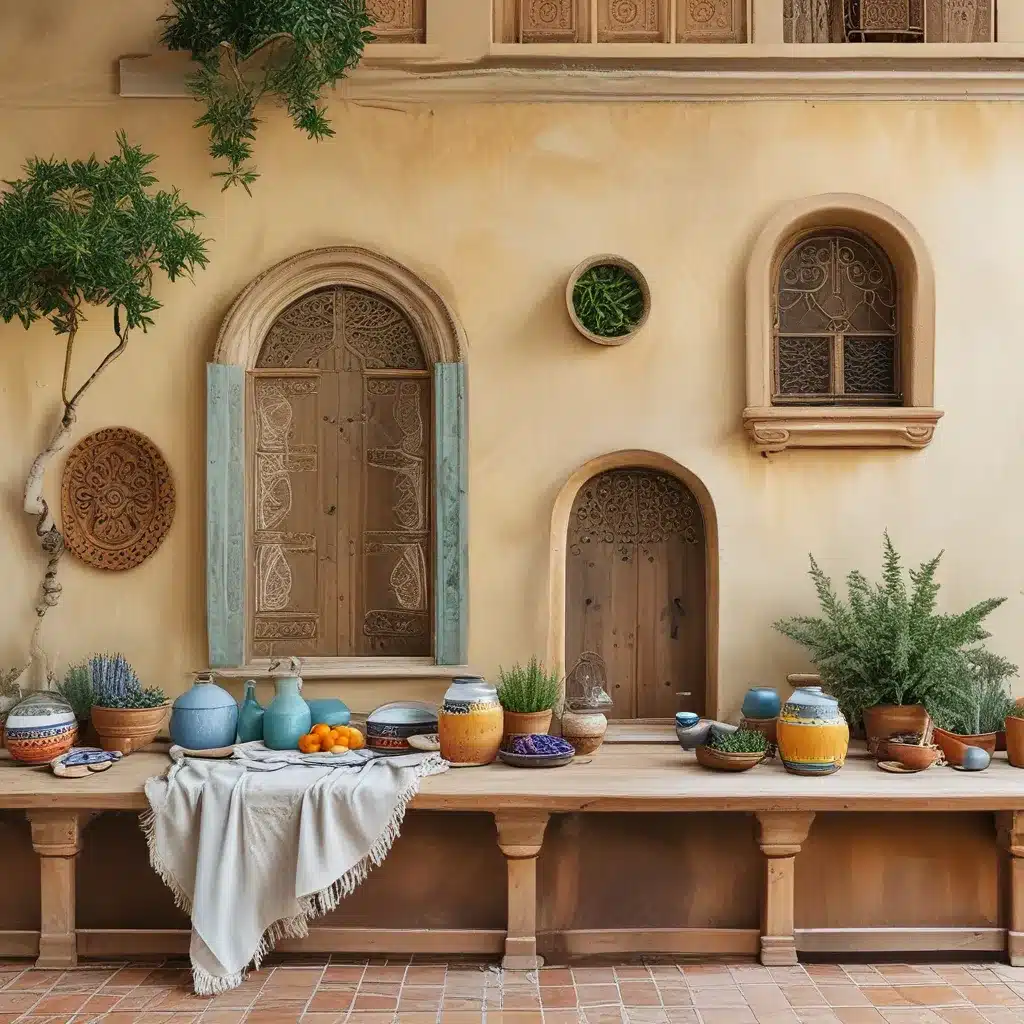
Discovering the Mediterranean Charm of California Natives
I’ll never forget the day I first encountered Zoropsis spinimana, a spider species native to the Mediterranean that had made its way to the Bay Area. It was a late evening, and my husband and I had just arrived home later than usual. Our dogs were eager for their bedtime treats, so I hurried across the dim kitchen to grab them from the drawer. As I bent down, a large, fuzzy tan spider came into focus just inches from my face, frozen on the shiny silver of the dishwasher door.
“Wolf spider?” I wondered, but it looked a bit different from the ones I was familiar with. And wolf spiders aren’t often found indoors. I recalled seeing a few posts on our neighborhood message board about a mysterious big spider, accompanied by photos and the alarmed question, “What the heck is this?” After some searching, I came across a comment suggesting the culprit was the non-native Zoropsis spinimana.
Several weeks later, I had another encounter with my new eight-legged friend while shampooing my hair in the shower. There it was, silhouetted on the glass door, looking as startled as I was. Thankfully, it was on the outside, and my husband was able to safely capture and release it into the yard.
As I learned more about Zoropsis, I discovered that this Mediterranean spider has become established in the Bay Area, although it’s not found elsewhere in the U.S. Yet. Arachnologist Darrell Ubick from the California Academy of Sciences suspects increased human travel may be the primary driver behind its spread, as a pregnant female can easily hitch a ride in luggage and set up shop in a warm, favorable environment like a cozy home.
Embracing the Mediterranean Aesthetic with California Natives
My encounters with Zoropsis spinimana got me thinking about the interplay between native and non-native species in California’s landscapes. It’s a complex and often contentious topic, as we grapple with the impacts of introduced plants and animals on our local ecosystems. But as I delved deeper, I realized there might be a way to find beauty and harmony in this blend of influences.
Growing up in California, I, like many others, have always been captivated by the state’s iconic golden rolling hills. It turns out these hills are actually covered in non-native, invasive grasses brought over by European settlers, rather than the native bunchgrasses that once dominated the landscape. While this knowledge was initially jarring, I couldn’t help but appreciate the dramatic appeal of the golden grasses, even if they weren’t truly “native.”
It’s a similar story with the mix of California native and Mediterranean plant species that can create such a beautiful and harmonious landscape. The drought-tolerant, colorful sages, the sculptural Artemisia, and the striking Mule Ears – they all work together to evoke a sense of Mediterranean charm, even if some of them hail from farther afield.
As I learned more, I realized that embracing this blend of influences could be the key to achieving the look I love, while also supporting local biodiversity. After all, the team at A-1 Landscape Construction knows that the secret to a stunning, low-maintenance landscape in Temecula often lies in selecting the right combination of native and Mediterranean-inspired plants.
Striking a Balance: Celebrating the Old and the New
One of the things that drew me to California was the sense of timelessness and connection to the land. The golden hills, the towering redwoods, the rugged coastline – they all feel like they’ve been there forever, a testament to the resilience and endurance of the natural world. But as I’ve come to understand, much of what we consider “natural” in this state is actually the product of centuries of human influence, both intentional and unintentional.
It can be easy to feel a sense of loss or betrayal when we learn that the landscapes we hold dear are not entirely “pure” or “native.” But I’ve come to realize that there’s a certain beauty in the imperfection, in the way that different species and influences have come together to create something entirely new and unique.
Ecologist Mark Stromberg puts it best when he says, “We must remember that the land was not always as it is now. And learn about what was lost and what was gained and help the two coexist in perhaps paradoxical beauty.”
In my own garden, I’ve embraced this idea of coexistence, blending California native plants like Autumn Sage and Mule Ears with Mediterranean favorites like Curlicue Sage and Brachyscome. The result is a landscape that feels both familiar and unexpected, a tapestry of colors, textures, and stories that speak to the rich history and ever-evolving nature of this place.
Cultivating a Sustainable, Mediterranean-Inspired Garden
As I delve deeper into the world of native and Mediterranean-inspired plants, I’m continually amazed by their adaptability, resilience, and sheer beauty. Take the California Box Elder, for instance – a deciduous tree that adds a striking pop of color and contrast to the landscape, with its pink and white variegated leaves. Or the Bear Clover, a native groundcover that forms a lush, fragrant carpet, providing both visual interest and erosion control.
These plants aren’t just aesthetically pleasing; they also offer a host of practical and ecological benefits. As landscape architect Paul Kephart explains, native plants like bunchgrasses can help with erosion control, wildlife support, and stormwater management – all crucial considerations in a climate like Temecula’s.
And let’s not forget the low-water needs of many Mediterranean-inspired plants, which makes them a perfect fit for the region’s hot, dry summers. By blending these hardy, drought-tolerant species with California natives, homeowners can create a stunning, sustainable landscape that requires far less maintenance and irrigation than a traditional lawn or ornamental garden.
Discovering the Beauty in the Unexpected
As I continue to explore the interplay between native and non-native species in California’s landscapes, I’m reminded of the importance of keeping an open mind and embracing the unexpected. After all, it was my initial encounter with the Mediterranean interloper Zoropsis spinimana that sparked my curiosity and led me down this fascinating path of discovery.
In the same way, I encourage fellow gardeners and landscape enthusiasts in Temecula to experiment with a mix of California natives and Mediterranean-inspired plants. You never know what hidden gems you might uncover, or what unique and captivating combinations might emerge. By celebrating the blending of influences, we can create landscapes that are not only beautiful and low-maintenance, but also reflective of the rich, complex, and ever-evolving story of this remarkable state.
So, the next time you’re strolling through the golden hills or admiring the vibrant sages in your garden, take a moment to appreciate the tapestry of histories and origins that have come together to shape this place we call home. It’s in the unexpected, the imperfect, and the paradoxical that we often find the greatest beauty and meaning.

