

The Night and Day Difference
My first vegetable garden was in the ground, in a space I had painstakingly prepared with a rototiller. When I finally switched to a raised bed, it was like the difference between night and day. Over the years, I converted to growing the majority of my herbs, fruits, and vegetables in raised beds. My Houston-based company, Rooted Garden, specializes in installing raised-bed kitchen gardens, and I teach my students about the many benefits of raised beds.
Before you go thinking I’m anti anything but raised beds, let me say that my in-ground pollinator garden was one of my favorite features of my Chicago kitchen garden. When I moved to Tennessee and had the chance to design a new kitchen garden from scratch, I created a 3ft-wide band of bed space around the perimeter of my kitchen garden and filled it with native plants and wildflowers. In-ground gardens are great for flowers, shrubs, and some edible crops such as tubers and large melons.
In my experience, the biggest difference between raised-bed gardens and in-ground gardens is their purpose – the former is ideal for growing plants with delicate roots that are often picky about their soil composition and quality (i.e., most fruiting plants and vegetables), and the latter is ideal for growing everything else. Let’s explore the main differences between these two garden types so you can decide which suits you and the type of plants you’re hoping to grow best.
In-Ground vs. Raised Beds: Pros and Cons
In-Ground Gardens
An in-ground garden is created by growing straight in the native soil or by modifying existing soil through tilling, amending, and adding organic matter such as compost. In-ground beds are a planting area distinct from the rest of the yard. For larger fruiting plants, in-ground gardens should be planted in a row-garden style.
The setup for an in-ground garden is less expensive than installing raised beds if you’re able to plant right away. After all, your growing space is the ground you already have, and your growing medium is more or less the native soil. While that means you’ll need fewer materials to create your in-ground garden, you will likely still need to rent or purchase some large tools to prepare the soil for planting and buy some soil amendments.
To prepare an in-ground garden, you may need to purchase or rent the following:
– Rototiller
– Shovels, hoes, and other hand tools
– Soil amendments like compost
Raised Beds
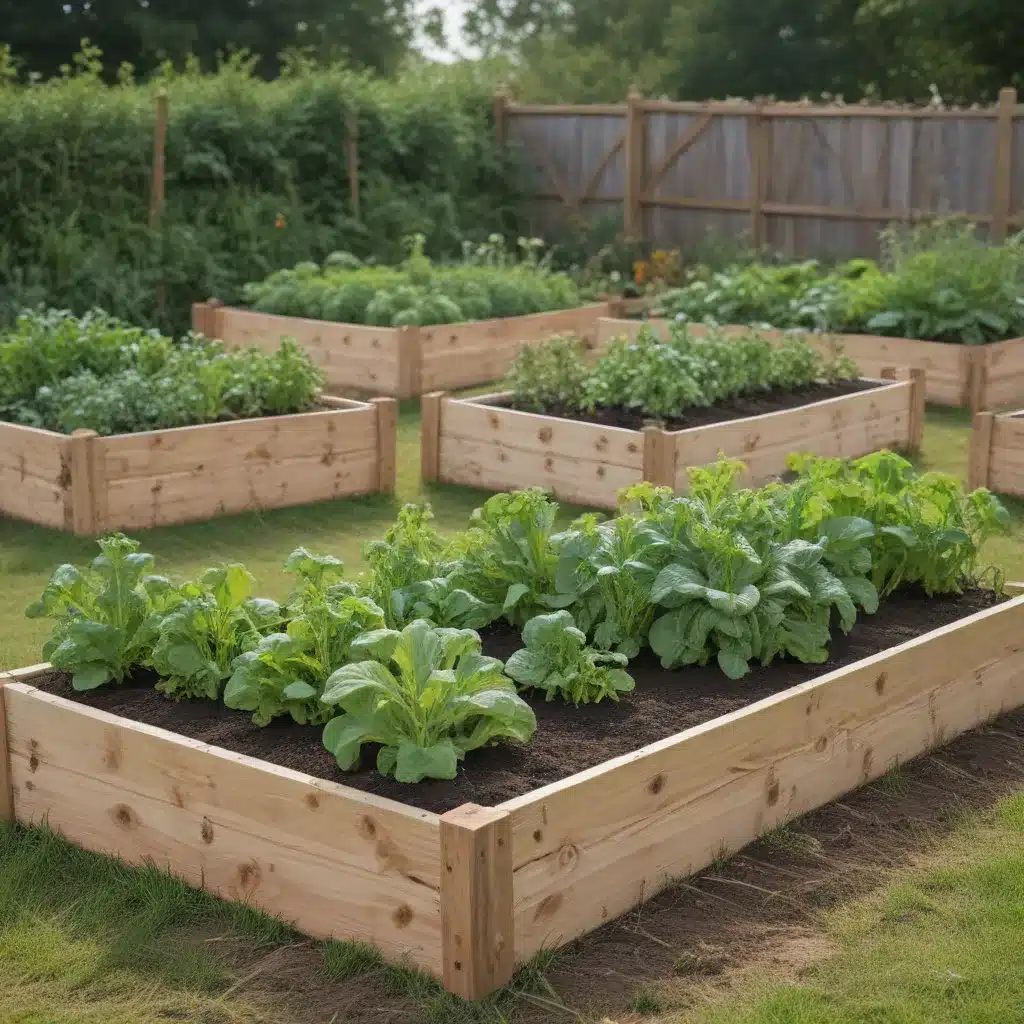
Raised beds are structures with four walls to contain soil and plants. While most raised beds have no bottom, some are enclosed so that you can add wheels or raise them off the ground for greater mobility and accessibility. Raised beds with bottoms are technically containers, but we’re going to include them here because they offer the same benefits as raised beds as long as they’re deep enough to give the plants’ roots plenty of room.
Raised beds require you to purchase the material to contain the soil, the hardware to hold it all together, and a large amount of soil to fill the interior. If you’re putting together more than one raised bed, the cost for those materials can add up quickly. To build a raised bed, you’ll need to purchase:
– Wooden boards or other material for the sides
– Hardware like screws, nails, or brackets
– Soil and/or other amendments like compost
While raised beds involve more up-front costs, I personally think that the increased productivity and convenience don’t worry, I’m getting to that – make them a wise investment in your gardening experience.
Preparing the Space
Whether you’re installing an in-ground garden or raised beds, you’ll need to perform the arduous tasks of removing all the grass and weeds growing there and leveling the area. For an in-ground garden, you’ll need heavy machinery or you’ll need to put a lot of muscle into preparing the soil and removing any rocks and debris. It’s best to then amend the soil with a few yards of compost. Otherwise, you’ll spend two to three years building the soil by using cover crops in the off-season and slowly adding humus to the topsoil layer.
Setting up an in-ground garden can take a few hours to a few weeks, depending on the size of the space. It also takes some time to build a raised bed and install soil, but the good news is that the bed is ready to grow in right away. Raised beds typically require a few hours to a few days to set up, depending on the size of the space.
Maintenance and Access
Overall, raised beds require less annual upkeep than in-ground gardens. Each season, I simply clear the surface of any debris and add a fresh layer of compost. No tilling involved! The other reason raised beds require less maintenance is largely because they can be set up to keep out both weeds and pests.
Weeding has always been one of my least-favorite gardening tasks. I’ve found that raised beds significantly reduce the time I have to spend weeding. The fresh, weed-free soil inside a raised bed means no weed seeds are already present, and the tall walls of a raised bed act as a border to prevent weeds from creeping in. I lay gravel over my entire garden area and line the bottom of my raised beds with weed barrier cloth to prevent weeds from growing up underneath.
New gardens often become the hottest spot in town when it comes to pests of all sizes. Fortunately, there’s something that serves as the bouncer at the entrance to prevent every pest from having unlimited access to your garden nightclub – it’s the raised bed itself! The height of a raised bed serves as an extra layer of defense against garden pests, including slugs, snails, and even rabbits. Other pests such as birds, squirrels, and cats can be deterred with the addition of a floating row cover or garden mesh.
If you live somewhere with pests that attack from below, such as gophers, moles, voles, and even armadillos, there’s a simple solution to keep them out of raised beds – hardware cloth. Line the bottom of your raised beds with hardware cloth in addition to weed barrier cloth, and these destructive little critters won’t be able to dig up your veggies.
The ease of tending a raised bed also comes down to two things: the added height and the simplicity of the tools required. Tending plants that are growing in the ground can be hard and dirty work, especially if there’s mud. Fortunately, the plants growing in my raised beds are level with my knees or hands, so I don’t have to bend from the waist much to tend or harvest.
Productivity Boost
Productivity matters, even if your goal isn’t to replace any of your grocery store trips with produce from your garden. Let’s face it, if your garden is not an attractive, easy-to-access space that’s also producing something you can tend or harvest continuously, you’ll simply lose interest in being there. Our goal is to create a space that you want to visit every day.
Production in a raised bed increases due to better depth for roots, soil quality, drainage, and soil temperature. When they’re growing in a raised bed, the tender roots of your vegetable plants have all the room they need to burrow deep and form a strong foundation for the plant. Giving roots more vertical room means you can fit more plants in a small space because their roots don’t need to spread horizontally the way they would if they were planted in the ground.
In an in-ground garden, your plants’ root growth can be limited by poor soil structure, poor soil quality, and large rocks. Their roots will spread out closer to the surface of the soil, which means you’ll need to give plants plenty of space to sprawl.
Unless you scoop up your native topsoil and it looks like a picture-perfect loamy dream, it’s probably not ideal for growing carrots, radishes, kale, tomatoes, peppers, or lettuce plants. With a raised bed, you get to start with the best soil, leading to success in your garden much faster. You control the quality and texture and organic nature of what fills your raised beds.
Raised beds also drain more quickly than in-ground beds, which is crucial for many of the edible plants you might want to grow in a kitchen garden. In-ground plants are more likely to sit in water because you have no control over the drainage, so you risk battling mold, rot, and mildew.
Raised beds stay warmer than the soil in the ground, which is important when it comes to extending your growing time – think planting earlier in the spring and continuing later into the fall or even winter. This really made a difference when I lived in Chicago. If I shoveled snow off each bed, then I could work the top 3 or 4 inches of soil enough to plant by late February. I couldn’t even get a shovel past the first inch of snow in my in-ground garden until well into March.
The Beauty Factor
Even without plants, raised beds are a beautiful fixture in your landscape in their own right. In Chicago, I could see my raised beds and beautiful arch trellises even in the middle of the winter when my in-ground pollinator garden was buried under snow. I used Corten steel raised beds available in the Gardenary shop in different heights and sizes to create a unique and visually appealing design for my new Nashville kitchen garden.
Plus, there’s a raised bed material to fit every style of home and personality, and it’s often easier to keep raised beds looking neat and tidy than in-ground garden beds. Don’t get me wrong – I also love the beauty of my pollinator garden in bloom and how it helps to define my kitchen garden space as something separate from the rest of the landscape.
You can create a beautiful space that you’ll absolutely love in your yard, whether you’re planting in the ground or in raised beds. But if you’re looking to have lots of success growing fruiting plants and vegetables in a space that’s as productive as it is visually appealing, I do recommend going with some raised beds. I’m confident you’ll love your space as much as I do.
For more information on how to design and install raised beds and then fill them with the best soil and plants, grab a copy of my book Kitchen Garden Revival. Consider it your guide to setting up a modern and stylish vegetable garden. And if you’re looking for a little more hands-on guidance, search our business directory for a garden coach near you. A Gardenary-trained garden coach can come out to your space and help you grow in your unique climate.
We also have an online course called Kitchen Garden Academy to help you set up a DIY garden just like a professional would. You’ll find community support and tons of resources to help you get growing.
Thanks for helping me bring back the kitchen garden, no matter where you’re growing. I can’t wait to see what you create!

