

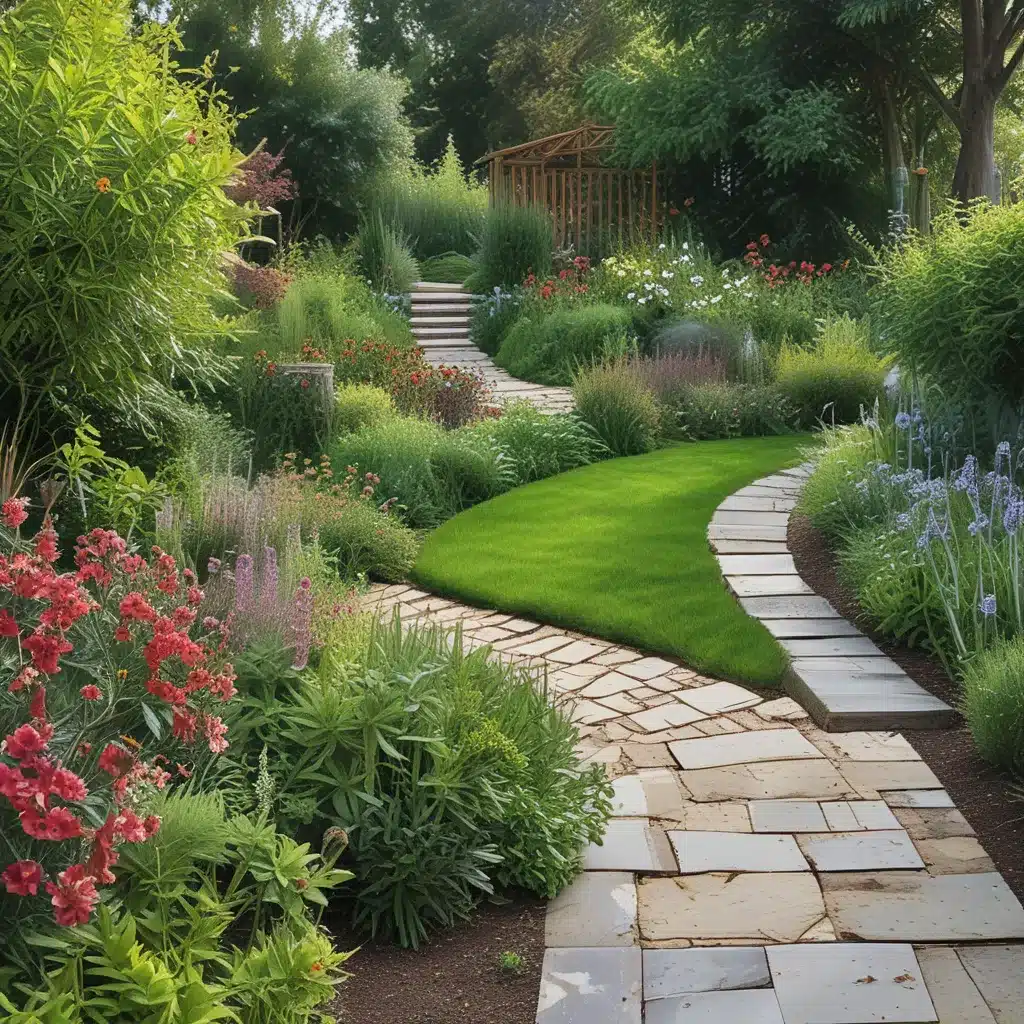
Creating a Harmonious Oasis with Syntropic Farming
A few years ago, I stumbled upon a captivating video called “Life in Syntropy” that left me thoroughly intrigued. The concept of syntropic farming – a form of agroforestry that imitates the regenerative processes of natural forests – seemed to align perfectly with my personal and professional goals as a permaculture designer. Eager to learn more, I decided to organize a workshop in Costa Rica to immerse myself in this innovative approach to agriculture.
As I reflect on that transformative experience, I’m excited to share my insights and a bit of constructive feedback on syntropic farming. While there are aspects of this methodology that I find truly compelling, there are also areas that leave me with more questions than answers. My aim is to provide a balanced perspective, drawing from both the instructors’ expertise and my own evolving understanding of this unique system.
Syntropic Farming: A Forest-Inspired Approach
The primary goal of syntropic farming, as I’ve come to understand it, is to incentivize the planting of trees with the overarching aim of reforesting the planet. It’s an intensive form of agroforestry that imitates the structure and functions of native forests, while also providing short-, medium-, and long-term yields as these productive ecosystems mature.
The guiding principles laid out by my instructors include:
-
Keep the Soil Covered: Syntropic systems are designed to generate large amounts of biomass that are regularly pruned or cut and applied to the soil, maintaining a consistent soil cover.
-
Maximize Photosynthesis: The layout of the tree rows, oriented from north to south, is optimized to capture the most sunlight and drive photosynthesis.
-
Stratification: Plants are arranged in vertical layers, or strata, based on their light requirements and growth habits, from emergent high-canopy trees to low-growing understory species.
-
Synchronization: The careful timing of harvests and pruning is crucial, aligning with the natural senescence (end of growth) patterns of the plants to encourage new growth and accelerate succession.
-
Natural Succession: The system is designed to progress through the stages of forest succession, from the initial “placenta” stage to the climax community, with a constant mosaic of species at different successional phases.
-
Management: Syntropic farming is an intensively managed system, requiring significant human intervention to maintain the desired balance and productivity.
Unique Characteristics of Syntropic Systems
As I delved deeper into syntropic farming, I began to recognize several aspects that set it apart from the multi-story agroforestry systems I was already familiar with. These include:
-
North-South Tree Rows: A clear preference for planting trees in rows oriented from north to south, rather than following contour lines, to optimize light capture.
-
Direct Seeding: Syntropic practitioners often favor direct seeding over transplanting, both as a cost-saving measure and to achieve extremely high planting densities.
-
Intensive Biomass Management: Syntropic systems dedicate significant time and effort to processing and applying biomass in specific ways, such as splitting banana trunks and cutting logs into small pieces.
-
Replacing Weeding with Pruning: The goal is to eliminate the need for weeding by maintaining a constant cycle of pruning and biomass management.
-
Simultaneous Planting: Ideally, all plants in the system are established at the same time, requiring a high level of upfront management.
-
Extreme Planting Densities: Syntropic designers recommend densities as high as 20-40 plants per square meter, far exceeding typical farming practices.
-
Challenging Pruning Techniques: Syntropic systems often involve technical and dangerous pruning work, such as using chainsaws to limb up or top tall trees.
These unique characteristics highlight the intensive logistical operation required to implement a syntropic farming system effectively. It’s a high-input, high-output approach that demands a deep understanding of plant interactions and a willingness to engage in hands-on, labor-intensive management.
Mapping the Syntropic System
One of the design tools I find particularly useful in syntropic farming is the table that organizes plant species according to their strata (light requirements) and the temporal progression of their maturity. This visual mapping exercise helps ensure that all ecological niches are filled over time, with a seamless succession of plants occupying their respective roles.
| Strata | Maturity Timeline |
|---|---|
| Emergent | 30+ years |
| High | 15-30 years |
| Medium | 5-15 years |
| Low | 0-5 years |
By mapping out the system in this way, you can visually plan the spatial and temporal layout of your planting, ensuring that no gaps are left in the system as it matures. It’s a thoughtful approach that helps you determine the precise number and variety of plants required to create a thriving, self-sustaining ecosystem.
Constructive Feedback and Remaining Questions
While I’m excited by the potential of syntropic farming, there are a few areas where I believe the methodology could benefit from further clarification and refinement. Firstly, the principles could be more clearly defined as design guides, rather than broad concepts. For example, “Management” is not a principle, but rather an inherent characteristic of any farming system.
Additionally, the language used by the instructors sometimes felt overly reliant on anecdotal evidence or the teachings of the system’s founder, Ernst Gotsch. It would be helpful to see more scientific grounding and empirical data to support the claims made about plant-soil interactions and the chemical signaling that drives the system’s acceleration.
I also question the assertion that there is no competition among plants in these high-density plantings. While it’s true that the system as a whole exhibits synergistic relationships, individual plants do compete for light, nutrients, and water – a nuance that’s important to communicate accurately.
As syntropic farming continues to gain traction, it will be crucial for the teaching and dissemination of this methodology to evolve. Drawing parallels to the growth of permaculture, syntropic farmers would be wise to learn from the successes and stumbles of that movement, working to strengthen the precision of their language and the depth of their evidence-based approach.
Integrating Syntropic Principles into My Design Work
Despite the areas where I still have more questions than answers, I’m excited to incorporate the principles of syntropic farming into my own design work at A1 Landscape Construction in Temecula, California. The emphasis on reforestation, the management of biomass, and the spatial-temporal mapping of plant communities all resonate with my overarching goals for creating productive, resilient, and aesthetically pleasing landscapes.
In particular, I’m eager to experiment with north-south tree row orientation, dramatically increasing plant densities, and the strategic pruning and harvesting techniques that are central to syntropic systems. I also see great potential in utilizing syntropic principles within greenhouse environments, where the controlled conditions could allow for further optimization and experimentation.
As I continue my journey of exploration and learning, I’m grateful for the opportunity to share my insights and experiences with the team at A1 Landscape Construction. Together, I believe we can harness the power of syntropic farming to transform landscapes, nourish communities, and create a more harmonious balance between human activity and the natural world.
Designing Raised Bed Gardens for Maximum Productivity
As a long-time raised bed gardener, I’ve seen firsthand the transformative power of this versatile approach to growing food and ornamental plants. Whether you’re new to raised bed gardening or looking to refine your existing practices, I’m excited to share my insights and experience to help you create a thriving, productive oasis right in your own backyard.
Developing a well-planned master plan is the key to a successful raised bed garden, and it all starts with a thorough site inventory and analysis. By considering the environmental conditions, existing features, and your personal needs and desires, you can design a space that seamlessly integrates form, function, and environmental sustainability.
Establishing the Ideal Raised Bed Dimensions
When it comes to the physical dimensions of your raised beds, there are a few important guidelines to keep in mind:
-
Height: Aim for a depth of 12-18 inches, which provides ample room for root growth while remaining structurally sound. Beds as shallow as 6 inches can also work, but the deeper the better.
-
Width: A width of 4 feet is considered the sweet spot, as it allows you to reach the center of the bed from either side without having to step into the growing area.
-
Length: The length is up to you, based on your available space and budget. Whether you opt for 4×4 squares or 4×20 rows, the key is to stay within that 4-foot width limit.
By adhering to these size recommendations, you’ll create a comfortable, accessible, and highly productive growing environment for your plants.
Choosing Safe and Sustainable Materials
One of the most common questions I receive about raised bed gardening is, “What materials should I use?” The truth is, there’s a wealth of information out there, much of it conflicting or unsubstantiated. As I always encourage, it’s important to do your own research and make an informed decision that aligns with your values and comfort level.
In my podcast episode on raised bed gardening, I delve into the pros and cons of various materials, including untreated wood, treated wood, concrete blocks, composite wood, and even repurposed tires (which I firmly advise against). The key is to choose materials that are durable, non-leaching, and won’t introduce harmful contaminants into your soil and, ultimately, your food.
For example, I’m a big fan of using untreated cedar, cypress, or other naturally rot-resistant woods, as they provide a long-lasting, sustainable option. If you opt for treated wood, be mindful of the chemicals used and take precautions to minimize exposure. And when it comes to materials like concrete blocks or galvanized metal, understand the potential risks and take steps to mitigate them, such as lining the interior with a food-grade plastic.
Mastering the Art of Soil Preparation
Once you’ve selected the perfect materials for your raised beds, the next critical step is to ensure you have a healthy, nutrient-rich soil foundation. In the second part of my raised bed gardening series, I dive deep into the art of creating the perfect soil recipe, drawing on my years of experience and the expertise of soil scientists.
The key is to start with a blend of high-quality compost, topsoil, and amendments tailored to the specific needs of your plants. By taking the time to get your soil right from the beginning, you’ll set the stage for a bountiful harvest and long-term garden success.
Overcoming Challenges and Maximizing Productivity
No matter the size or shape of your raised beds, there’s always room for optimization. In the third part of my raised bed gardening series, I address common challenges, such as managing pests and diseases, optimizing water usage, and ensuring efficient plant spacing and layout.
Through a combination of strategic planning, proactive maintenance, and a touch of creativity, you can transform your raised beds into highly productive, low-maintenance oases that not only nourish your body but also delight your senses.
As you embark on your raised bed gardening journey, remember that every garden is unique, and the true joy lies in the process of experimentation, learning, and continuous improvement. With the right knowledge and a bit of elbow grease, you can create a thriving, goal-oriented landscape that reflects your personal style and vision.
I’m excited to see the amazing raised bed gardens that the team at A1 Landscape Construction in Temecula, California will design and install, and I’m always here to provide guidance and support along the way. Let’s get growing!

