

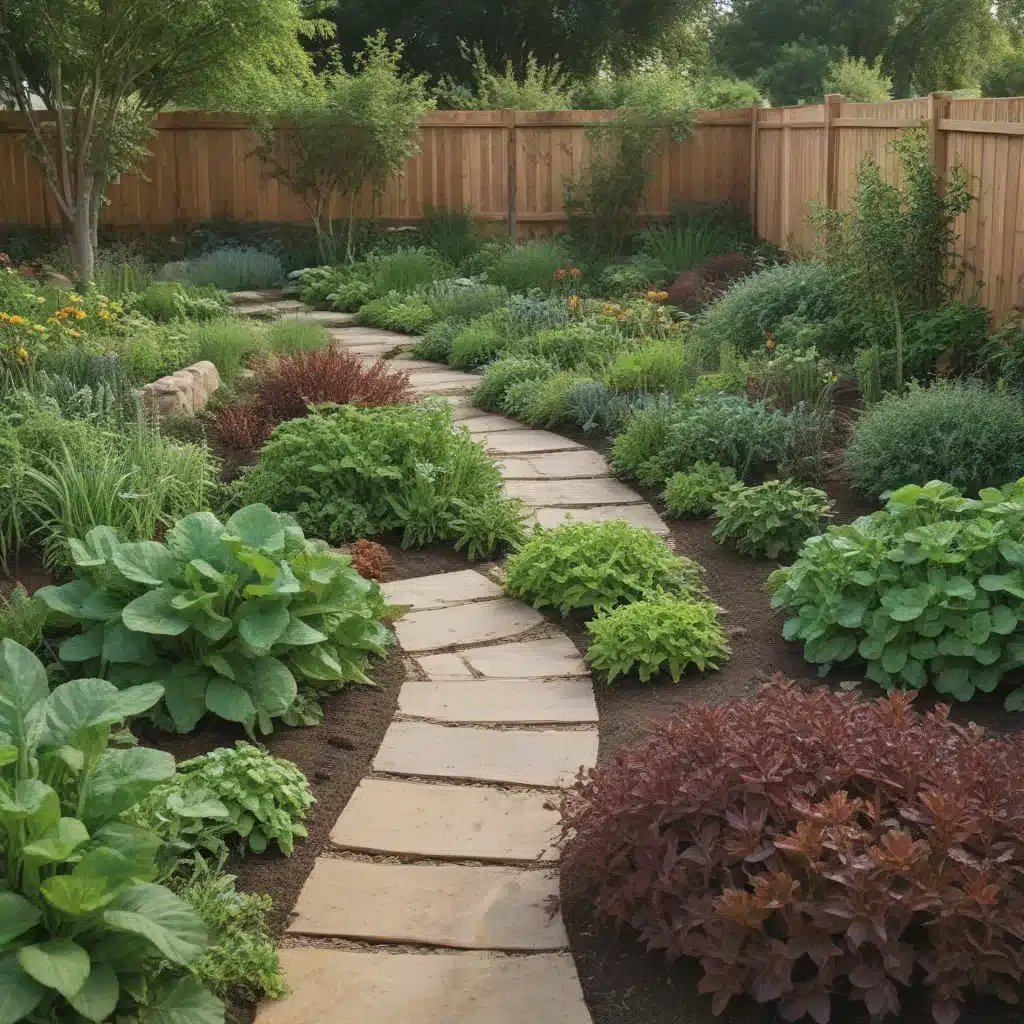
A Delightful Fusion of Beauty and Bounty
Imagine strolling through a garden where beauty meets functionality – where vibrant flowers and lush foliage not only captivate the eye but also tantalize the taste buds. This harmonious fusion is the essence of integrating edible plants into your landscape design. As a landscape design and construction company in Temecula, California, we’ve embraced this approach wholeheartedly, transforming ordinary gardens into living, thriving ecosystems that nourish both the soul and the body.
The traditional concept of a garden often separates ornamental plants from edible ones. However, at A1 Landscape Construction, we believe that functionality and beauty need not be exclusive. By seamlessly incorporating edible plants into our landscape designs, we’re able to cultivate spaces that are not only visually appealing but also serve a practical purpose. This approach, known as edible landscaping, is a game-changer, allowing our clients to reap the benefits of a bountiful harvest while enjoying a landscape that truly speaks to their senses.
Strategic Placement: The Key to Edible Elegance
The key to successfully integrating edible plants into your landscape lies in strategic placement. We carefully consider the visual appeal and growth habits of each plant to create a harmonious balance. Here are some of our top tips for effective placement:
Borders and Edges
Utilise edible plants as borders or edges to soften the transition between different garden areas. Herbs like rosemary or lavender can form fragrant borders, while low-growing fruits such as strawberries add a touch of sweetness to garden pathways.
Container Gardening
Elevate your landscape design by incorporating edible plants into containers. Pots filled with colorful peppers, cherry tomatoes, or herbs not only add visual interest but also offer the flexibility to rearrange your garden as needed.
Vertical Gardening
Utilize vertical space by training edible plants to climb trellises or walls. Grapes, beans, or even kiwi vines can add a striking vertical dimension to your garden, creating a visual impact that’s both functional and aesthetically pleasing.
Mixed Plantings
Intermingle edible plants with ornamental ones to create a lush and diverse garden. Consider planting lettuce or kale alongside flowering perennials for a seamless blend of textures and colors.
Versatile Edible Beauties
When choosing edible plants for your landscape design, we consider factors such as climate, soil conditions, and aesthetic preferences. Here are some of our favorite versatile and visually appealing edible options:
Herbs
Herbs are not only culinary treasures but also aromatic and visually pleasing. Rosemary, basil, thyme, and mint can be incorporated into various garden areas, adding fragrance and flavor to your outdoor oasis.
Fruit Trees
Dwarf fruit trees such as apple, pear, or peach can be strategically placed to provide both shade and a seasonal harvest. The ornamental value of fruit blossoms in spring and the shade they provide in summer make them a delightful addition to any landscape.
Berries
Blueberries, raspberries, and strawberries are not only delicious but also add pops of color to your landscape. Create berry patches or incorporate them into existing garden beds for a delightful and productive display.
Vegetables
Many vegetables possess ornamental qualities that can complement your landscape. Consider the vibrant hues of Swiss chard or the sculptural beauty of purple kale. Mixing vegetables with flowering plants creates a dynamic and visually interesting composition.
Edible Flowers
Expand your palate by including edible flowers like nasturtiums, pansies, or calendula. These flowers not only add a burst of color but can also be used to garnish salads or desserts, adding a touch of elegance to your culinary creations.
Functional Design Elements
To make the most of edible landscaping, we incorporate various functional design elements that enhance both the aesthetics and productivity of your garden:
Companion Planting
Embrace the concept of companion planting, where mutually beneficial plants are grown together. For instance, planting basil near tomatoes can improve flavor and repel pests.
Succession Planting
Plan your garden to ensure a continuous harvest throughout the growing season. Succession planting involves staggering the planting of crops to extend the availability of fresh produce.
Seasonal Variety
Create a garden that evolves with the seasons, offering a changing tapestry of colors and flavors. Incorporate cool-season crops like kale and lettuce in spring and fall, while reserving warmer months for tomatoes and peppers.
Pollinator-Friendly Plants
To enhance the productivity of your edible plants, include flowers that attract pollinators. Bees, butterflies, and other pollinators contribute to the health and yield of fruiting plants.
Functional Hardscaping
Integrate functional elements into your hardscaping, such as building raised beds or incorporating planter boxes into your patio design. This seamlessly blends edible and ornamental elements, creating a visually appealing and practical outdoor living space.
Maintaining the Edible Landscape
To ensure the success of your edible landscaping endeavors, we adhere to a few key maintenance tips:
Pruning and Training
Regularly prune and train fruit trees and vines to maintain their shape and promote healthy growth. Proper pruning also improves air circulation and sunlight penetration.
Mulching
Apply mulch around edible plants to conserve moisture, suppress weeds, and regulate soil temperature. Organic mulches such as straw or wood chips contribute to soil health as they decompose.
Watering
Provide consistent and adequate watering, especially during dry spells. Different edible plants have varying water requirements, so tailor your watering schedule accordingly.
Integrated Pest Management
Embrace integrated pest management (IPM) practices to address any pest issues. Beneficial insects, companion planting, and organic pest control methods can help maintain a healthy balance in your edible landscape.
Soil Enrichment
Regularly enrich the soil with compost or organic fertilizers to ensure that your edible plants receive the nutrients they need for robust growth and bountiful harvests.
Beyond the Garden: Edible Landscaping’s Community Impact
Edible landscaping offers more than just personal rewards; it can also have a positive impact on your community. At A1 Landscape Construction, we believe in the power of shared knowledge and collaboration.
Community Gardens
Share the bounty of your edible landscape with neighbors by participating in or starting a community garden. Community gardens foster a sense of camaraderie and promote local food production.
Educational Gardens
Transform your edible landscape into an educational space. Label plants with informative signs, host workshops, or invite local schools to learn about gardening, nutrition, and sustainability.
Seed Saving
Encourage seed saving to promote biodiversity and self-sufficiency. Share seeds with neighbors and participate in seed exchanges to contribute to a resilient and diverse plant community.
Cultivating a Living Masterpiece
Integrating edible plants into your landscape design is a transformative journey that goes beyond the conventional boundaries of gardening. By blending beauty and functionality, you can create an environment that nourishes both the body and the soul. Whether you have a sprawling backyard or a small urban balcony, edible landscaping offers endless possibilities to cultivate a space that is not only visually enchanting but also yields a delicious harvest.
So, embark on this journey of harmonizing form and function, and watch as your garden becomes a vibrant living masterpiece. Let the team at A1 Landscape Construction guide you through the process of transforming your outdoor oasis into an edible haven that delights the senses and satisfies the palate.

