

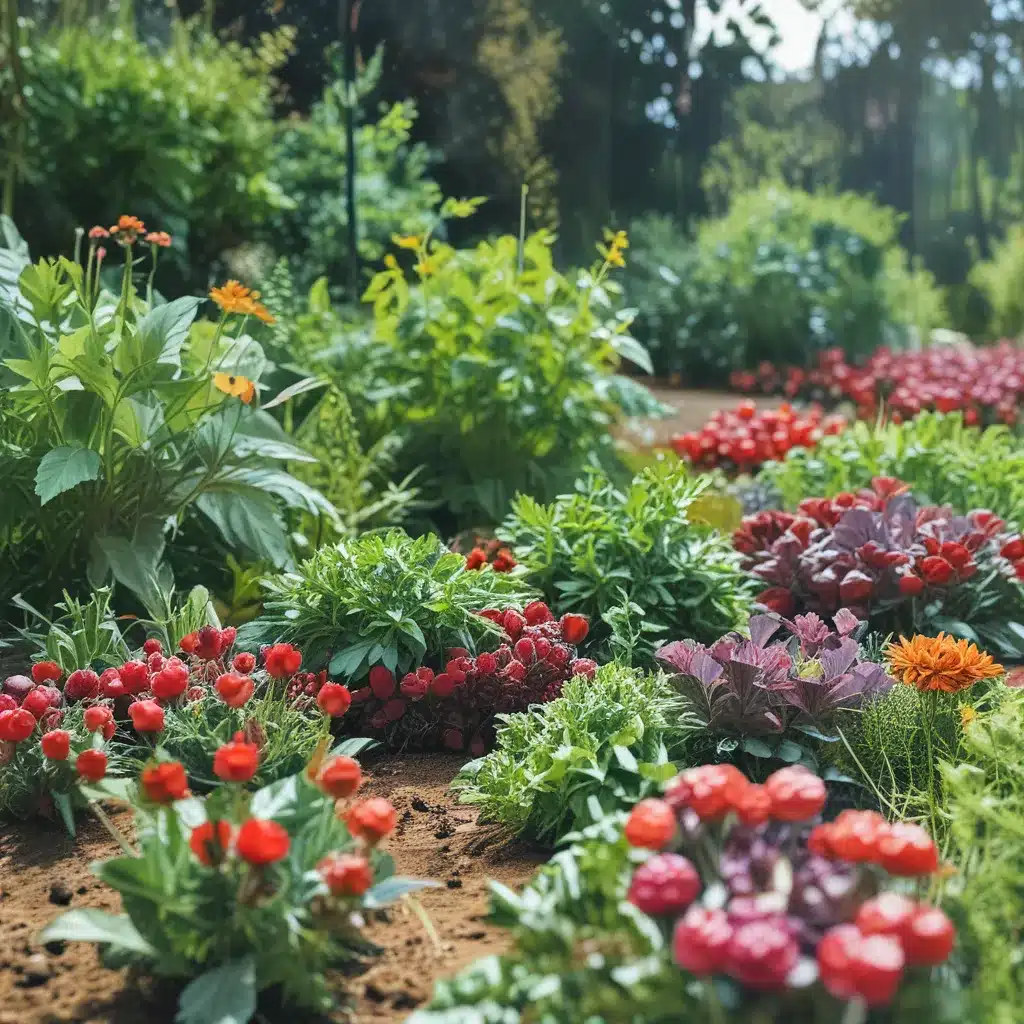
The Padrón Pepper and the Joys of Edible Landscaping
I’ll never forget the summer of 2009 at Gaining Ground Farm in Yamhill, Oregon. As we farm apprentices lay sprawled around the living room, dizzying aromas wafted from the kitchen where our sensei, Mike Paine, the farm’s owner, toiled away. We waited with bated breath to unceremoniously devour whatever culinary creation he had conjured up.
Mike walked over with a plate of small, blackened somethings dripping in olive oil and popped one into each of our mouths. I rolled the tender treasure over my tongue, savoring the flakes of sea salt that dissolved in the hot olive oil. Then, I bit into something that instantly transported me somewhere far away – an ethereal smokiness, followed by a lurking heat and spiciness that never quite arrived. I was utterly won over, and the object of my affection had a name: Padrón.
Since that first taste, I have grown Padrón peppers every summer and will continue to do so until death do us part. And even though these transcendent moments with our food can make us feel like they evolved and were grown for us alone, we know it isn’t true. Even as you read this, we are less alone – me and Padrón. And that’s the point, after all. That’s what makes planting, growing, tending, harvesting, cooking, and eating food so amazing. It is intimate and it is shared. What a gift.
The Joys of Edible Landscaping
But Padrón peppers are just the beginning of the delicious and productive landscape that can grace your property. As the landscape design and construction company A1 Landscape Construction in Temecula, California, can attest, edible plants are becoming increasingly popular in residential landscapes.
Property owners are more aware of the beauty and delicious benefits of an edible landscape, and some are experimenting with the addition of a variety of edible trees, shrubs, and perennials. As one ELA member, Natalie DeNormandie of Lincoln, Massachusetts, puts it, “My passion is beautiful, robustly working gardens that feed their owners bodily and wholly.”
Edible Landscaping Basics
Incorporating edibles into your landscape design doesn’t have to be complicated. In fact, Joann Sekreta Godoy of Aptos, California, says, “It’s fun when the neighbors stop and ask, ‘Oh wow, is that lettuce, chard, fennel, artichoke? Your front yard is so pretty. Really, you can eat those flowers!'”
The key is selecting the right plants for your climate and design goals. Natalie DeNormandie uses edible plants to perform specific functions in the landscape, like “creeping herbs for groundcover to reduce erosion and out-compete weeds” or “espaliered fruit trees for small vertical and aesthetically challenged spaces.”
Adam Kindl of Milblack, Delaware, agrees that plant selection is crucial, saying, “The key is selecting a plant that the family enjoys eating. Of course, choosing the right location for the desired plant is critical as well.”
Edible Landscape Design Strategies
When it comes to designing an edible landscape, the possibilities are endless. Larry Simpson, a garden designer based in Marblehead, Massachusetts, loves incorporating fruiting trees, shrubs, and brambles into his designs. These plants, he says, are “landscape workhorses yielding big dividends by providing attractive organic forms, producing food for people and wildlife, and increasing the biodiversity.”
For clients with limited space, Simpson often recommends shrub-like edibles such as serviceberry, chokeberry, elderberry, and crabapple. He also incorporates a variety of annual and perennial herbs, like basil, dill, lavender, rosemary, thyme, and chives, for culinary and tea-making uses.
Natalie DeNormandie takes a more holistic approach, focusing on “systems, seasons, layers, and vistas” to create “a rich and ever-changing tapestry of color and flavor that ensures the freshest fruits, leaves, and shoots all season long.” She uses permaculture principles to build soil health and minimize maintenance, all while ensuring there is “nectary coverage through the seasons.”
Edibles for Every Landscape
Whether you have a sprawling estate or a modest city lot, there’s an edible plant that can fit seamlessly into your landscape design. Joann Sekreta Godoy grows over 75 varieties of vegetables, more than 40 varieties of edible flowers, 25 fruit trees, and 12 citrus varieties in her Aptos, California, landscapes. Her favorites include beets, carrots, fennel, and kale, as well as lesser-known edibles like Physalis peruviana (cape gooseberry), Microcitrus australasica (Australian finger lime), and Valerianella locusta (mâche).
For those with limited space, Larry Simpson recommends espaliered apple and pear trees, as well as edible groundcovers like alpine strawberry and hardy kiwi. And don’t forget the power of edible ornamentals, like the delicious, spiky berries of the Kousa dogwood.
No matter what your landscape looks like or how much space you have, the experts agree: Incorporating edibles can transform your outdoor oasis into a delicious and productive haven. So why not start planning your own edible landscape today? Your taste buds (and your neighbors) will thank you.

